

The Mana Rangatahi programme has been developed by Heidi Renata, co-founder and CEO of Dunedin-based INNOV8HQ.
After two years, even with the challenge of Covid, there is now a waka of over 150 18–24-year-olds who have used the framework to find their pathway. They may have decided to become their own boss and set up a business, or upskill and enrol in further education, or get a job. Many become a youth leader or ambassador, which means they go and speak, host at events, at places like Youth Leadership, University and council meetings.
The course is based on a Mātauranga Māori framework called Ko Wai Au? Who am I?
The free programme is open to anybody. Records show that to date Māori make up 50% of participants, Pakeha 30%; Pasifika 10%; and Asian 5%. In terms of gender, about 40% of participants have been male, 40% female and 20% have been from the rainbow community.
It can be done either as a full-time two-weeks course or part-time over 12 weeks. It is also available online. In each case the rangatahi come into a safe environment where they identify and co-design their personal brand/identity.
The programme includes real workplace and business experiences, visiting community projects and attending events with peers and intergenerational leaders doing inspiring mahi.
Mana Rangatahi works in collaboration with a local Dunedin NGO, the Transition to Work Trust, which helps to extend their reach to youth throughout the Otago region.
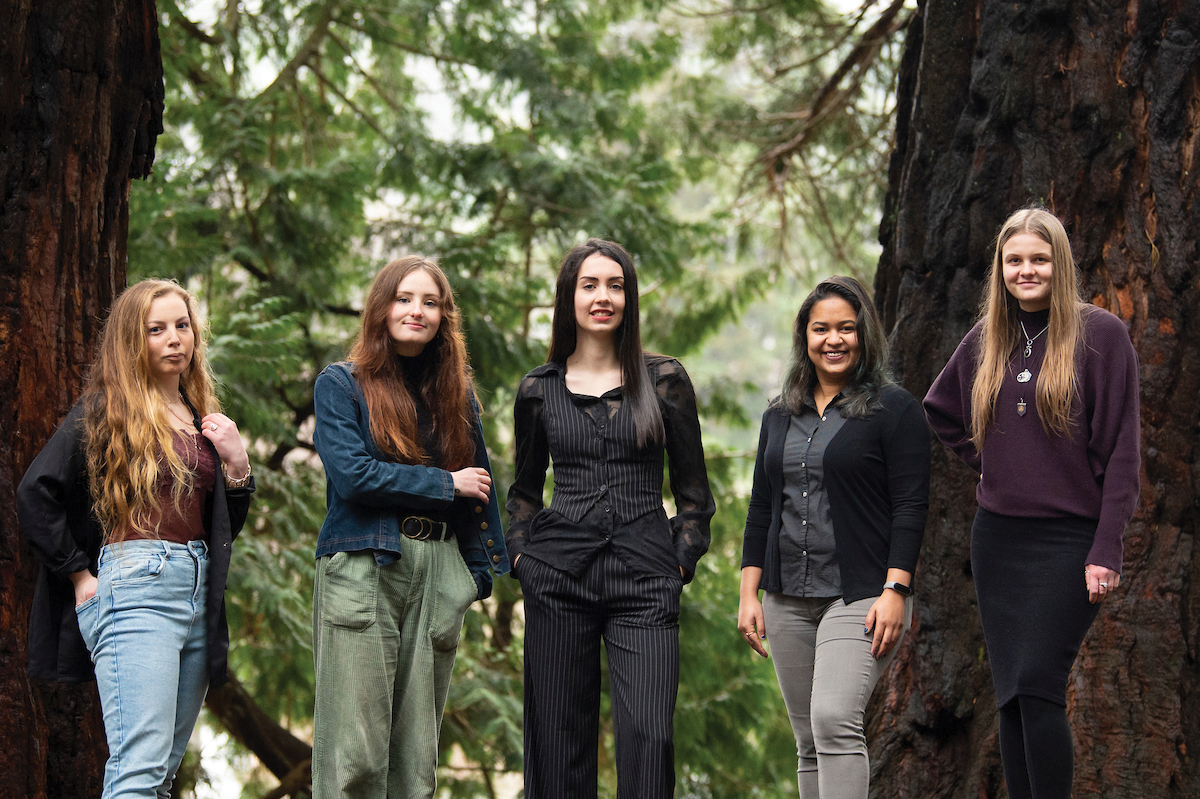 Heidi Renata describes how her programme is fast growing into a movement that is changing mindsets:
“It is a journey of self-discovery, identifying the values that are important to you so you can build your own personal brand and navigate your way onto your pathway. It’s about building resilience.
“Around 45 percent off the participants decide that they want to start their own business. We are in a unique time. It seems that there is currently a bit of romance about being your own boss, but also many rangatahi want to have an impact on society and help the planet. They want to set up social enterprises and services like repurposing clothes and reducing waste They want to do their own little bit.
“If they decide they want to go into employment, the process helps them align their values with a prospective employer.
“When we started the programme, in 2019 in collaboration with the Ministry of Youth Development and Startup Dunedin, the focus was on NEETS (I don’t like that word!), but now, with Covid and an increasing awareness of the climate crisis, there is a change in how young people see themselves in this world.
“Covid has changed lives. There are now many rangatahi not attending school and dropping out of university. There are big challenges for youth – and many have lost interest in education or find themselves in the wrong job. Our youth need greater support to navigate in this dynamic new and changing world.
“What I try and get them to do is think more dynamically about seeing themselves in this world, so we work as a team on problem solving and using critical thinking: Changing their mindset.
“They co-design their pathways. Before they were thinking as individuals. But through whakawhanaungatanga and working as a team, it lifts their confidence and reinforces the power of being able to contribute to peer success. The team cohesion is always incredible.
“Critical thinking, teaching them how to look at a situation or a business idea and work out what’s motivating them, is important. They need to work out how much sacrifice they are prepared to make and learn strategies to stay in the game. Running your own business can be hard. We find that if they have strong values from day one it keeps them on track. It provides them with a moral compass.
“They never technically leave us. They build a network for life, and we continue to support their pathways. When they graduate, they become our alumni and most stay in contact. We give them references, and guidance now and then. They become part of the whānau.
“An integral part of the programme is based on using a tuakana-teina model, with graduates from the previous year coming back to support the ones coming through. We find that all of our graduates want to do this. It’s beautiful how it comes to life. They want to help each other all of the time. The young ones love it because it is not just listening to 40 something-year-olds all the time, but someone their own age.
“The tuakana-teina model also supports our leadership development programme where our rangatahi get together to codesign a community event, Journeys of Influence, where they meet peers and intergenerational leaders doing inspiring mahi.
“We also teach them strategies which support their health and wellbeing. We collaborate with a group of neuroscientists in Tairawhiti who have provided us with our wonderful Awhi App that participants can use to monitor their mental health. This means that we can give them strategies to cope with life when things are not going so well. We can also see how their confidence levels lift throughout the programme. That happens for everyone.”
Today INNOV8HQ is well supported by the Otago Foundation, and there is a growing demand for Heidi and her team to introduce Ko Wai Au? Who am I? into other organisations, not just locally, but as far away as Auckland. And if they had the capacity, Heidi says, they would like to develop a similar programme for other age groups.
The Mana Rangatahi programme isn’t the only education course that INNOV8HQ provides. Their Mana Whānau programme helps parents provide the leadership that rangatahi often crave. Again the focus of the course is on helping adults ‘re-establish their identity, uniqueness and superpowers as a team, group.’
Ben Sommerville – Mana Rangatahi facilitator
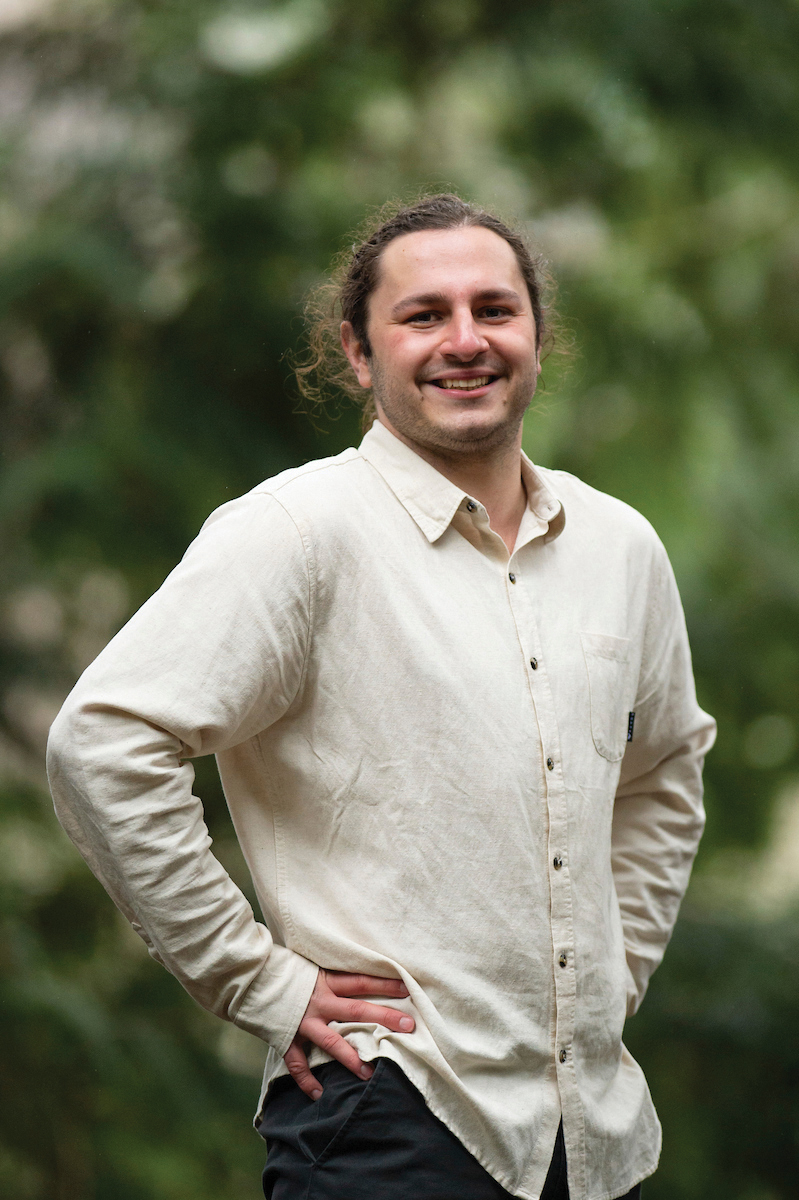 I finished a Commerce Degree at Otago, not knowing what I wanted to do. Heidi was at the university and said I should come onto the pilot Mana Rangatahi programme. That was in 2019. I am so fortunate to have had this opportunity. I am now kaiāwhina at the Business School.
The Ko Wai Au framework is about finding out who you are. It gives you an understanding of yourself, so you are able to look at things with growth in mind. Self-knowledge is power. It brings good things into your life.
We look at our history, our whakapapa: what are things passed down to us that make us who we are. The values you hold. Whakapapa is a living breathing thing.
Now in my role as a facilitator I enjoy sharing my story and ideas. We are all leaders in different spaces. It is very important to be able to switch between teaching and learning – following the ako and tuakana-teina model that is integral to what we do.
If we don’t know what our values are we don’t end up being as successful and resilient as we can be. The programme helps rangatahi come to see what a good pathway is for them. What it looks like. It gives them an opportunity to find their own true north.
Our rangatahi are so precious – they have amazing potential within them. It is about unlocking the door so their potential can be realised.
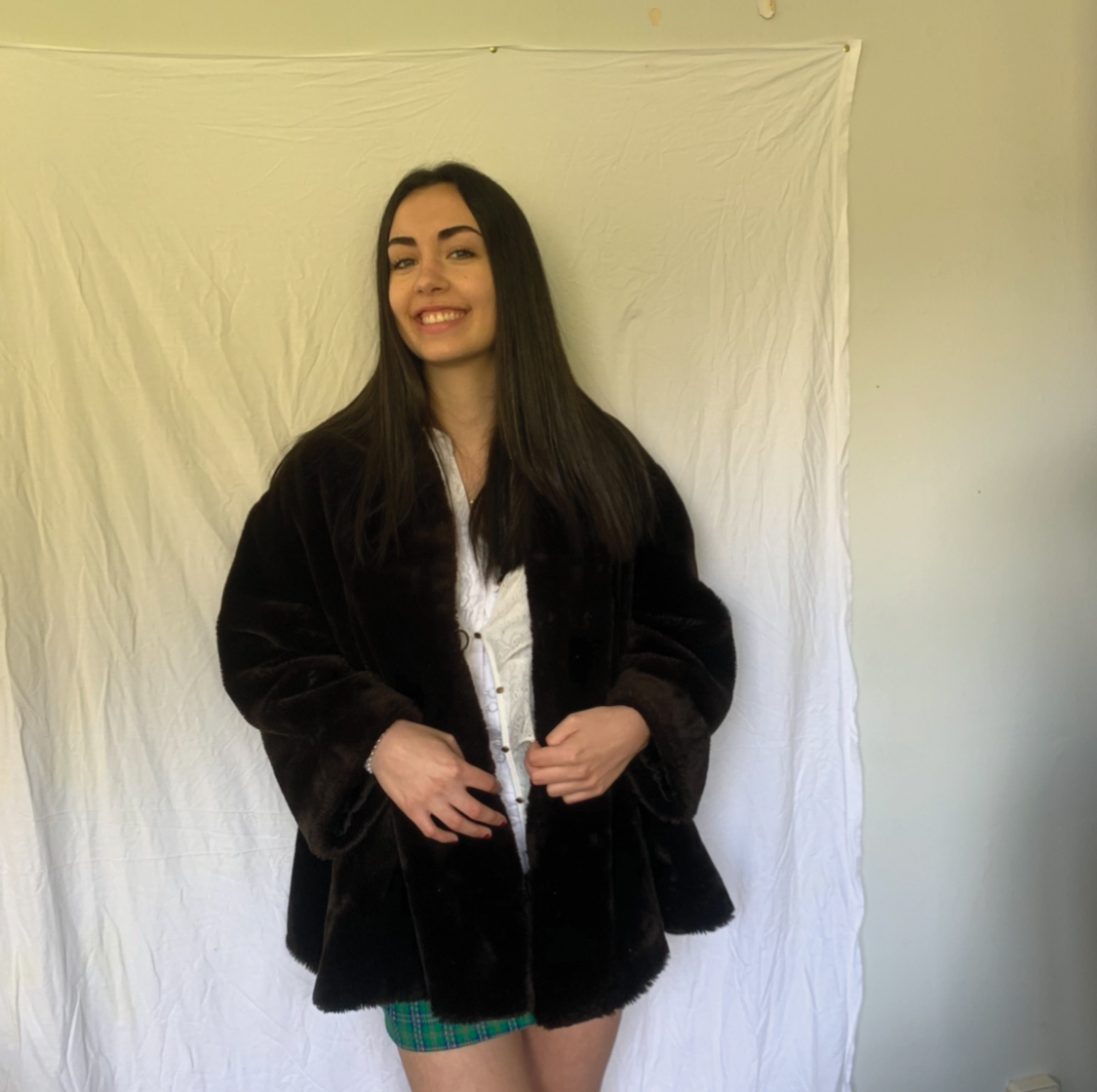
Georgia Cleaver – Kaitiaki and entrepreneur
 I think what was special about the programme is that we found out who we are, where we come from and what makes us tick. I found that I was driven to be a kaitiaki, a guardian. That I have a particular passion for protecting the more vulnerable, whether that be young children, older people, animals – or the environment.
At the moment I have a couple of little businesses. Fast Fashion is a really big problem and I want to encourage people to shop more sustainably, so I find clothes, maybe at the dump, and either fix them up or up-cycle them. I am also trying to set up a dementia technology company which produces GPS devices to locate dementia patients who might wander. It’s inspired by my tāua who has dementia, and who is cared for by my pōua and us at home.
The programme felt like a family, with people trying to see you as you are and helping you get to the place where you want to be.
Here is a photo of me in some thrifted gear.