
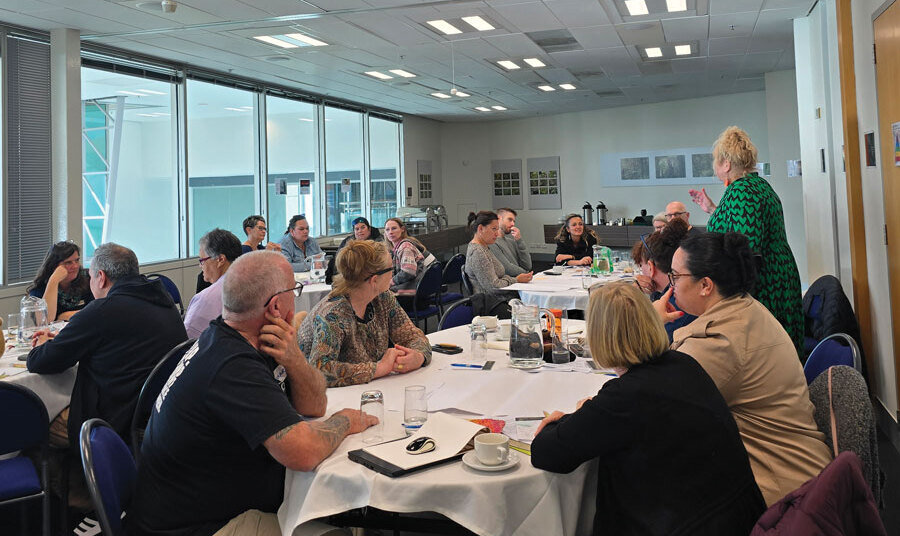
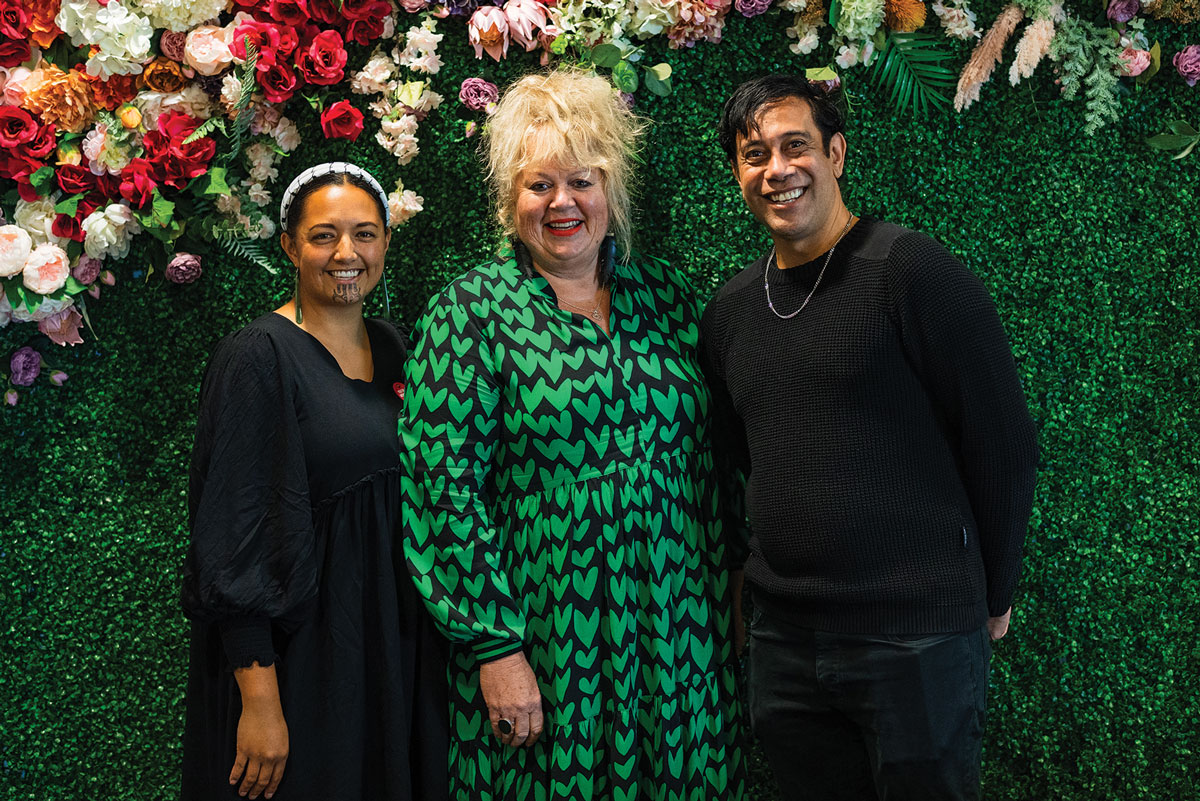
On Tuesday, 18 June 2024, the Advanced Masterclass in Teaching Adult Learners took place in Wellington, a day before the ACE Sector Conference. Facilitators Te Ataahia Hurihanganui, Tai Samaeli, and Jennifer Leahy led this masterclass, diving deeper into the ACE Teaching Standards. They empowered participants to create learner-centred programmes that are responsive, inclusive, and effective in meeting adult learners' goals.
The masterclass was open to those who had completed the face-to-face Successfully Teaching Adults Workshop or were experienced educators. Participants explored advanced concepts in adult learning, including how to tailor instructional materials and experiences to adult learners' needs and preferences, ensuring better retention and application of knowledge. They learned to optimise learner-centred learning by designing programmes that are flexible, relevant, and inclusive. This included being mindful of adult learning theories and the diverse backgrounds of learners.
“Today the linking practice and theory was explicit which I loved.”
Educators discovered new ways to integrate technology into their teaching practice, making learning more interactive and engaging for adult learners. Understanding mātauranga, participants took responsibility for connecting with localised ways of doing things. They developed strategies to accommodate diverse backgrounds, cultures, and learning abilities, fostering inclusive learning environments.
Participants were provided with a framework for high-quality adult education programmes to use when they returned to their mahi. The day began with a Whakapuaki session, including housekeeping, karakia, and a kete of taonga and post-box activity for introductions and setting objectives. The morning focused on programme design stages, initial needs assessments, and learner profiles, with activities designed to deepen understanding and application.
After morning tea, participants delved into programme development, discussing advanced instructional design principles, adult learning theories, and strategies for engaging diverse learners. A Kahoot! activity after lunch allowed participants to reflect on the day's learning in an interactive and fun environment.
“There is power in collaboratively thinking through challenging problems!”
The afternoon covered teaching approaches and methodologies, resourcing, and managing challenging behaviours. Participants engaged in group activities to apply their learning and share best practices. Networking opportunities were provided during afternoon tea, followed by discussions on implementation, ongoing evaluation, feedback, and reflection. The day concluded with closing remarks, a reflection activity using the kete, and discussions on next steps.
The masterclass provided a comprehensive framework encompassing programme design and planning, teaching and learning, professional development, learner support and engagement, quality assurance and improvement, technology integration, and leadership and management. Participants were taught to conduct needs assessments, develop programmes, and ensure adequate resources. They adopted learner-centred approaches, employed diverse teaching strategies, and encouraged active learning. Ongoing training, reflective practice, and collaborative learning were emphasised for professional development.
 Support services, fostering inclusivity, and engaging the community were highlighted for learner support and engagement. Evaluation mechanisms, feedback utilisation for continuous improvement, and seeking accreditation were covered under quality assurance and improvement. Enhancing digital literacy, maintaining online learning platforms, and integrating innovative tools were discussed for technology integration. Establishing a clear vision and mission, cultivating effective leadership, and collaborating with stakeholders were key aspects of leadership and management.
“There was a lot to take in and I felt that the levity in the room allowed me to be relaxed enough to absorb stuff.”
Feedback from participants was overwhelmingly positive. They found the content of the masterclass enlightening, varied, engaging, and fun. They appreciated the broad and balanced content, the mix of practical and theoretical elements, and the integration of technology. The mix of activities, teaching, and references to theory were well-received, as was the handling of challenging behaviour sections. The engaging and high-energy atmosphere, especially after lunch, was noted, along with the provision of references for further exploration.
Revisiting previous learning was affirming and useful, and the new content was balanced and effectively referenced to the Masterclass Resource Book. Participants felt that the levity in the room allowed them to relax and absorb the content better. The positive atmosphere contributed to a lot of new ideas and reflection, with many finding the delivery thorough and appreciating the varied delivery methods.
Participants expressed interest in learning more about ChatGPT and AI, content promised by facilitators, helpful technology, and how to integrate technology tools into their educational environment. There was a desire for a broader range of theories and models, including indigenous research, more information on Teaching Adults Workshops, and concepts like Kotahitanga and Whakapuaki.
“Loved how it was delivered in so many different ways.”
Online workshops, Pathways Awarua, and familiarisation with ACE were other areas of interest. Participants wanted a deeper dive into challenging behaviours, different learning abilities, and techniques for collective engagement. Resources from the workshop and expanding on challenging behaviours were also highlighted as areas of interest.
Participants planned to implement various strategies and tools from the workshop, including ChatGPT, Kahoot!, Mentimeter, and initial needs assessments. They recognised the importance of social well-being for learners and educators and intended to use the difficult situation activity with their teams. The importance of being explicit and transparent about why things are done was also noted.
In conclusion, the Advanced Masterclass in Teaching Adult Learners was a resounding success, providing participants with valuable insights, practical strategies, and a robust framework for high-quality adult education. The feedback from participants underscored the importance of such professional development opportunities in fostering effective, inclusive, and engaging learning environments.