
The use of digital technology is all pervasive. The term covers the use and application of all the digital tools, devices, processes and systems that have become part of our daily way of doing business. During the COVID pandemic, the use of digital tools became even more of a necessity as we were forced to work from home, shop online, meet via teams, access government services, undertake banking from our kitchen table and carry out a myriad of other daily functions from home. Being online has become an important factor in living a modern life and, as a result, digital inclusion is more of a requirement than ever before. The term digital inclusion means that everyone has what they need to be able to participate in society using digital technologies. Despite this growing need, New Zealand research has shown that Māori and Pacific peoples, elderly, the unemployed, people with disabilities, and people living in social housing are digitally disadvantaged. It is also estimated that one in five New Zealanders cannot access the Internet.
There are four parts to achieving digital inclusion:
- Access – having access to affordable, fit-for-purpose digital devices, services, software and content
- Motivation – feeling ready and willing to access services digitally
- Skills (also known as digital literacy) – having the knowledge and skills to use devices to get things done
- Trust – feeling confident and safe when carrying out online activity and services.
 Central government in Aotearoa has initiated a digital inclusion work programme aimed at leading, connecting and supporting a coordinated approach to various digital inclusion work across the motu and this has been embraced by the Office for Seniors through their Digital Literacy Training for Seniors programme working in close partnership with the Ministry for Pacific Peoples.
The Office has been delivering the Digital Literacy Training for Seniors programme since 2019, and Budget 2022 allocated additional funding of $1.341 million over three years to continue to expand the programme. So they are now 18 months into that phase of work.
Three specific priorities were identified for the expansion of the Seniors programme:
- Support 5,000 more participants to learn essential digital skills
- Target older population groups at greater risk of digital exclusion
- Improve the sustainability of digital training programmes for older people.
Several organisations have so far played a key role in delivery of Digital Training for Seniors including:
2020 Communications Trust
– Māori and Pacific focus aged 55+
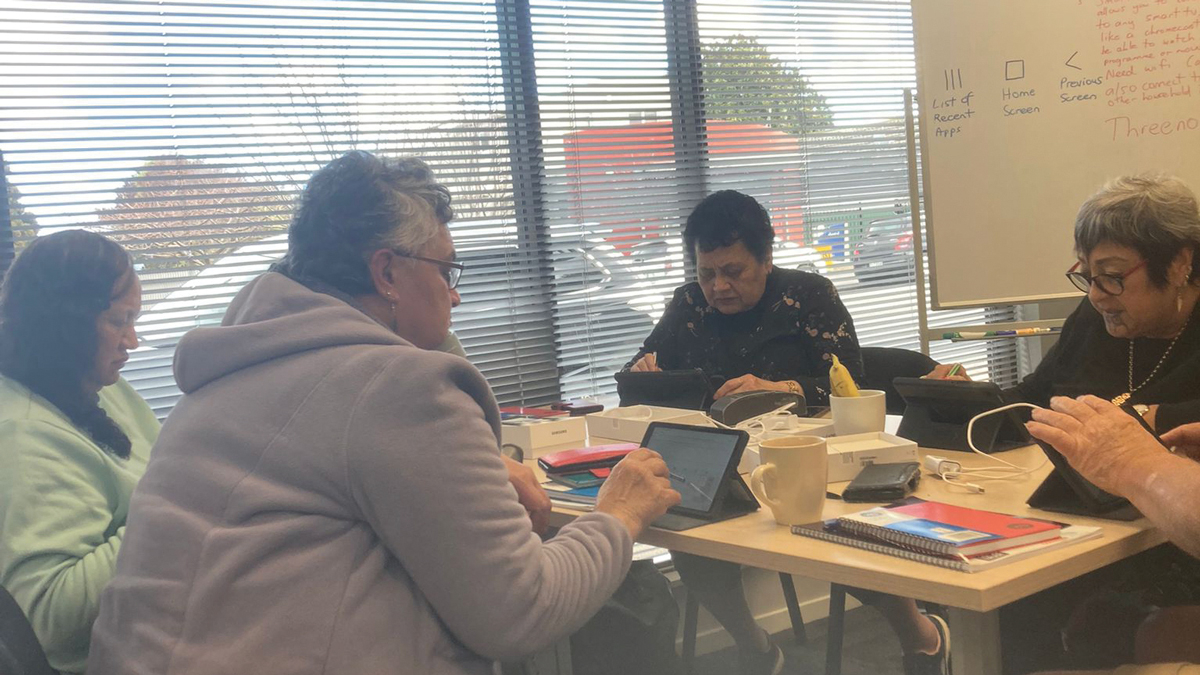
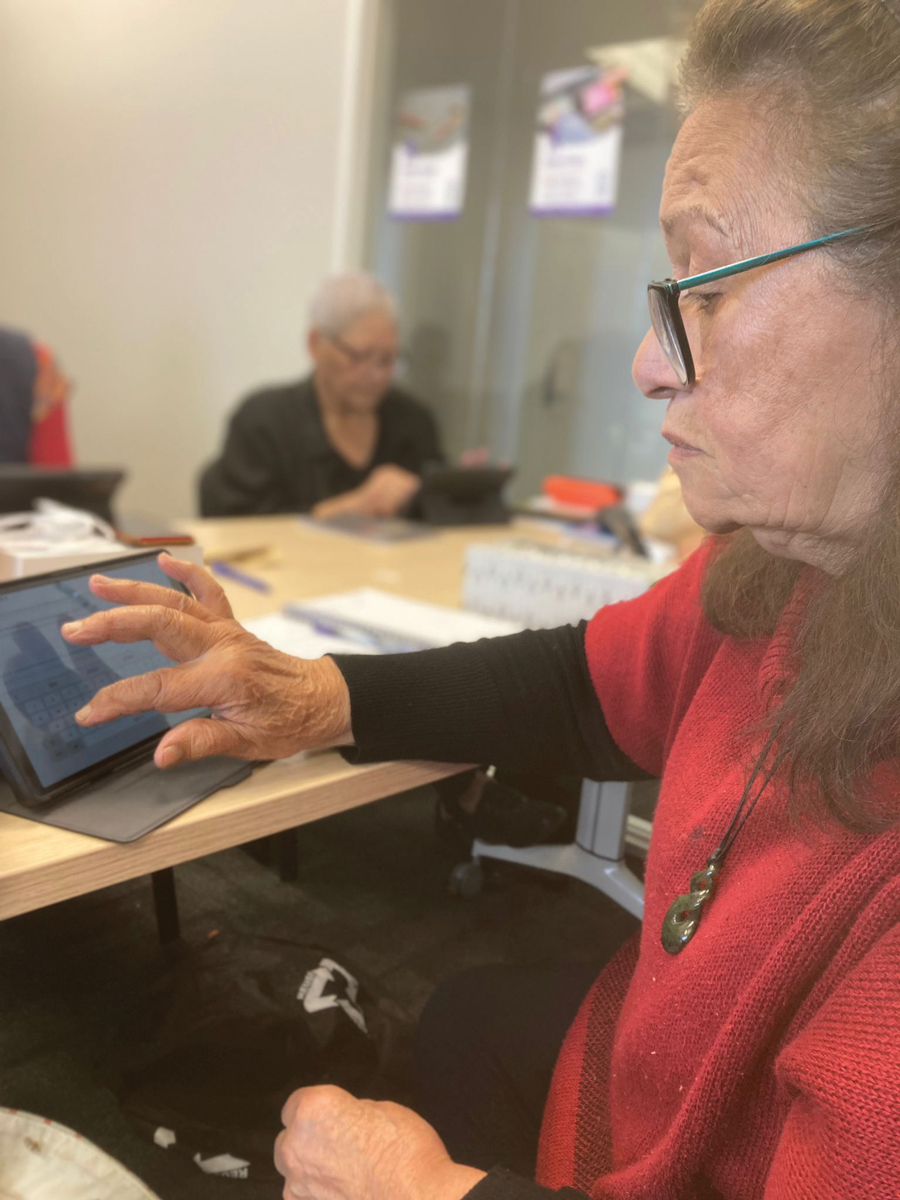
The Seniors CONNECT programme will be providing digital literacy training to 300 Māori Kaumātua and 200 Pacific Matua across Aotearoa/New Zealand. Training is delivered in culturally appropriate environments such as churches and marae and in languages conducive to successful learning.
Chief Executive of 20/20 Trust Dr Warren Williams says they have found the programme to be hugely popular and in great demand.
360 Tautua Trust Board
– Pacific focus aged 55+
The MATUA GO DIGITAL programme provides digital literacy training to 130 Pacific Matua, with training supported through tuakana-teina learning, where younger family and church members are available to work alongside the trainers/facilitators. The programme has a national reach, but with a focus on more isolated regions with emergent Pacific populations such as Oamaru, Blenheim and Timaru.
Digital Inclusion Alliance Aotearoa
– Nationwide focus aged 65+
The Digital Inclusion Alliance Aotearoa is a national network of more than 400 local organisations, providing digital literacy support for their communities, such as not-for-profit organisations, business enterprises and public libraries.
Moana Connect
– Pacific focus aged 55+
See separate story.
Takiri Mai Te Ata
– Māori focus aged 55+
Tākiri Mai te Ata is a collective of seven health, education, justice and social service providers in the Hutt Valley, Wellington and Porirua region that have been working together for 45+ years. The KAUMĀTUA DIGITAL LITERACY TE ARAWHITI HANGARAU programme connects Kaumātua and Rangatahi to provide mutual support.
Age Concern Auckland
– Asian community focus aged 65+
The Asian Service Team at Age Concern delivers the TECH FOR SENIORS programme for older Asian people in the Auckland region. This programme aims to provide digital literacy training in a culturally and linguistically appropriate way to 1,100 non-English speaking older Asian people.
Age Concern recently announced a partnership with ANZ Bank to support older people with their digital literacy needs and help keep them safe from financial scams. The threeyear partnership includes funding for Age Concern New Zealand to provide a digital literacy programme to older people across the country and a campaign to raise awareness about scams.
Age Concern New Zealand Chief Executive Karen Billings-Jensen says the partnership reaffirms the importance of collaboration in safeguarding older people from the growing threat of sophisticated scams. “Together, we can build digital literacy skills and scam education programmes to help older people feel confident and safe online.”